
When people search for your brand online, what do they find?
Whether it’s customer reviews, tweets, tagged Instagram stories, or Reddit threads, social media has become the modern-day word of mouth. And just like in real life, reputation matters — a lot. A single post can shape how others perceive your brand. That’s where social media reputation management comes in.
Managing your brand’s image on social platforms isn't just about damage control — it’s about building trust, engaging meaningfully, and staying alert to the conversations happening about your brand. Let’s walk through how you can take control of your social reputation, step by step.
Step 1: Understand Why Social Media Reputation Management Matters
Your audience is watching, even when they’re not engaging.
Every post, comment, or mention contributes to your digital footprint. Positive interactions boost trust and credibility, while unresolved complaints or negative feedback can spread quickly.
Social media and reputation management go hand in hand because platforms like X (formerly Twitter), Facebook, LinkedIn, TikTok, and Instagram are now primary spaces where customers share experiences and form opinions.
Brands that ignore their online reputation risk losing trust, traffic, and ultimately, customers. Managing it proactively protects your brand and positions you as responsive, responsible, and in tune with your audience.
Step 2: Monitor Brand Mentions Constantly
You can't manage what you don't see.
Start by setting up real-time alerts or using social media reputation monitoring tools to track brand mentions, product names, hashtags, and even common misspellings of your brand. This gives you a full picture of what’s being said — both good and bad.
Pay attention not just to direct mentions but also to conversations that tag your competitors. These often reveal insights into what your shared audience values or dislikes.
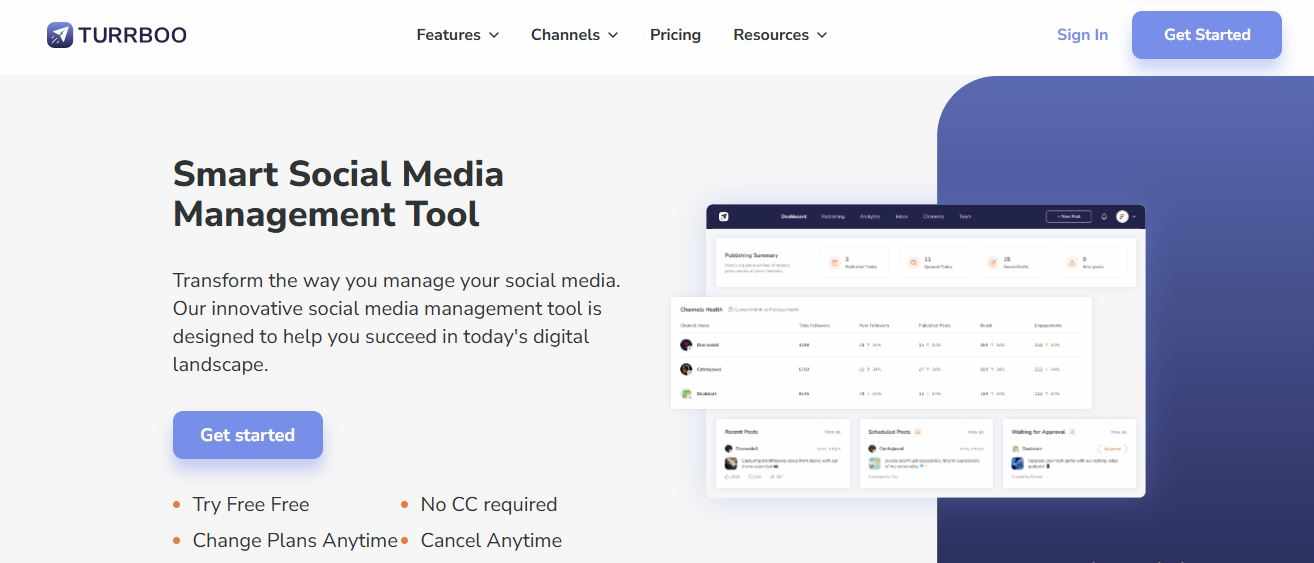
Using a reliable tool like Turrboo helps simplify monitoring across multiple platforms, making it easier to catch mentions the moment they happen and respond before a small issue turns into a full-blown crisis.
Step 3: Respond Promptly and Thoughtfully
Social reputation hinges on how quickly — and how well — you respond.
Whether it's a compliment, question, or complaint, people expect quick responses. But speed alone isn’t enough. Your replies should also be empathetic and helpful.
For complaints:
Acknowledge the concern.
Apologize when necessary.
Offer to resolve it offline (via DM or email).
Follow through.
For compliments:
Say thank you.
Share or repost positive user-generated content when appropriate.
Encourage ongoing engagement.
Every interaction is an opportunity to show your brand’s voice and values.
Step 4: Build a Content Strategy That Reinforces Trust
A strong social presence isn’t only reactive — it’s also proactive.
Use your content strategy to shape your reputation positively. Share behind-the-scenes content, customer success stories, educational posts, and brand updates. Consistency, authenticity, and transparency all contribute to a stronger public image.
Create content that resonates with your community. When people feel connected to your mission or voice, they’re more likely to advocate for your brand — especially during challenging moments.
Step 5: Address Negative Feedback the Right Way
Negative feedback is inevitable. How you handle it determines the outcome.
Don’t delete comments unless they violate platform rules (like hate speech or spam). Deleting legitimate complaints only fuels frustration. Instead, respond publicly to show others you’re paying attention and care about customer experiences.
Then, move the conversation to a private channel to offer a resolution. This dual approach shows professionalism and commitment to service.
Remember, sometimes a dissatisfied customer can turn into a loyal advocate — if you handle the situation well.
Step 6: Empower Your Community
Your community is one of your greatest assets.
Encourage user-generated content and reviews. Respond to loyal followers. Recognize brand advocates. These actions create a culture of engagement and trust — and trust is the foundation of any strong reputation.
A supportive community also helps balance out occasional negative posts. When real customers stand up for your brand, it carries more weight than anything you could say.
Step 7: Create a Social Media Crisis Plan
Preparation beats panic.
Reputation crises can happen unexpectedly — a controversial post, a customer complaint gone viral, or a product issue. That’s why having a social media crisis plan is crucial.
Here’s what it should include:
Clear roles and responsibilities for your team
Pre-approved response templates
A chain of command for escalating serious issues
Monitoring tools to track the situation
Reputation recovery starts with being ready. The faster and more organized your response, the less damage is done.
Step 8: Analyze and Adjust Regularly
Reputation management isn’t a one-and-done task. It’s ongoing.
Track sentiment over time using analytics. Monitor changes in engagement, share of voice, and brand perception. Look for patterns in the types of feedback you receive. What’s working well? What’s sparking frustration?
Use these insights to adjust your content, customer service approach, or even your products. The goal is continuous improvement — not just maintaining your image but elevating it.
Final Thoughts
Social media reputation management is no longer optional. It’s an essential part of how people interact with brands today. Managing your presence means listening actively, responding intentionally, and leading with transparency.
From proactive content strategies to quick, thoughtful responses, every move you make contributes to how your brand is seen. And when you manage that reputation well, it becomes one of your strongest business assets.
FAQs: Social Media Reputation Management
1. What is social media reputation management?
It’s the process of monitoring, influencing, and maintaining how your brand is perceived on platforms like Facebook, Instagram, LinkedIn, and X (Twitter).
2. Why is social media important for brand reputation?
Because it’s where your audience shares feedback, asks questions, and discusses experiences — both publicly and in real time.
3. How do I handle negative comments on social media?
Respond quickly, acknowledge the issue, and offer to resolve it privately. Never ignore or delete genuine feedback.
4. What tools help with social media reputation monitoring?
Tools like Turrboo allow you to track mentions, analyze sentiment, and respond across multiple channels from one dashboard.
5. How often should I monitor my brand's reputation online?
Daily. Reputation management is an ongoing effort, and staying informed helps you act quickly when needed.














Write a comment ...