
Every post competes for attention in a crowded feed. Great content alone is not always enough. Timing plays a critical role in whether a post gets seen, clicked, or ignored. When content appears while the audience is active and receptive, reach expands naturally and engagement becomes easier to achieve. Understanding the best times to post on social media helps brands align their efforts with real user behavior instead of relying on guesswork.
Posting at the right moment is not about chasing universal rules. It is about recognizing patterns, understanding audience habits, and applying data-driven timing strategies that support consistent growth.
Why Posting Time Has a Direct Impact on Performance
Social media platforms prioritize content that gains early interaction. When a post receives likes, comments, or shares shortly after publishing, algorithms interpret it as valuable and distribute it more widely. Poor timing often means content appears when the audience is inactive, limiting its initial momentum.
Effective timing supports:
Higher organic reach
Faster engagement velocity
Stronger visibility in feeds
Improved overall content performance
Choosing when to post is just as strategic as choosing what to post.
Understanding Audience Behavior Across Platforms
Each social platform attracts users with different routines and expectations. Posting strategies should reflect how and when people use each network.
Key behavioral differences include:
Professional platforms see activity during work hours
Visual platforms perform well during breaks and evenings
Community-focused platforms often peak during leisure time
These patterns provide a foundation, but they should always be refined based on brand-specific data.
Best Posting Times by Major Platforms
While no schedule fits everyone, broad trends help guide initial planning.
Best time to post on Facebook
Engagement often peaks midweek during late mornings and early afternoons. Users tend to scroll during breaks or downtime rather than late at night.
Best time to post on Instagram
Evenings and weekends usually show stronger interaction, especially for visual and lifestyle content. Short breaks throughout the day can also drive engagement.
Best time to post on LinkedIn
Early mornings and business hours perform best. Content aligned with professional value sees stronger engagement before or during the workday.
Best time to post on X (Twitter)
Real-time conversations perform well during commute hours and early afternoons when users check updates frequently.
Best time to post on TikTok
Evenings and late hours often see higher engagement due to relaxed browsing behavior, though consistency matters more than exact timing.
These ranges serve as starting points rather than fixed rules.
The Role of Time Zones in Posting Strategy
Global or multi-region audiences add complexity. Posting at the perfect time for one region may result in low visibility elsewhere.
Effective approaches include:
Segmenting content by region
Scheduling multiple posts for different time zones
Prioritizing core audience locations
Testing staggered posting schedules
Time zone awareness prevents missed opportunities and improves relevance across markets.
How Content Type Influences Ideal Timing
Not all content performs equally at the same time. The nature of the post affects when audiences are most receptive.
For example:
Educational content performs well during focused hours
Entertaining or visual content thrives during leisure periods
Promotional posts benefit from high-traffic windows
Interactive content works best when users are actively browsing
Aligning content type with audience mindset increases engagement potential.
Using Data to Identify the Best Posting Windows
Generic studies provide guidance, but internal data delivers precision. Performance analytics reveal when an audience consistently interacts with content.
Important metrics to analyze include:
Engagement rates by time and day
Reach patterns across weeks
Follower activity timelines
Post performance comparisons
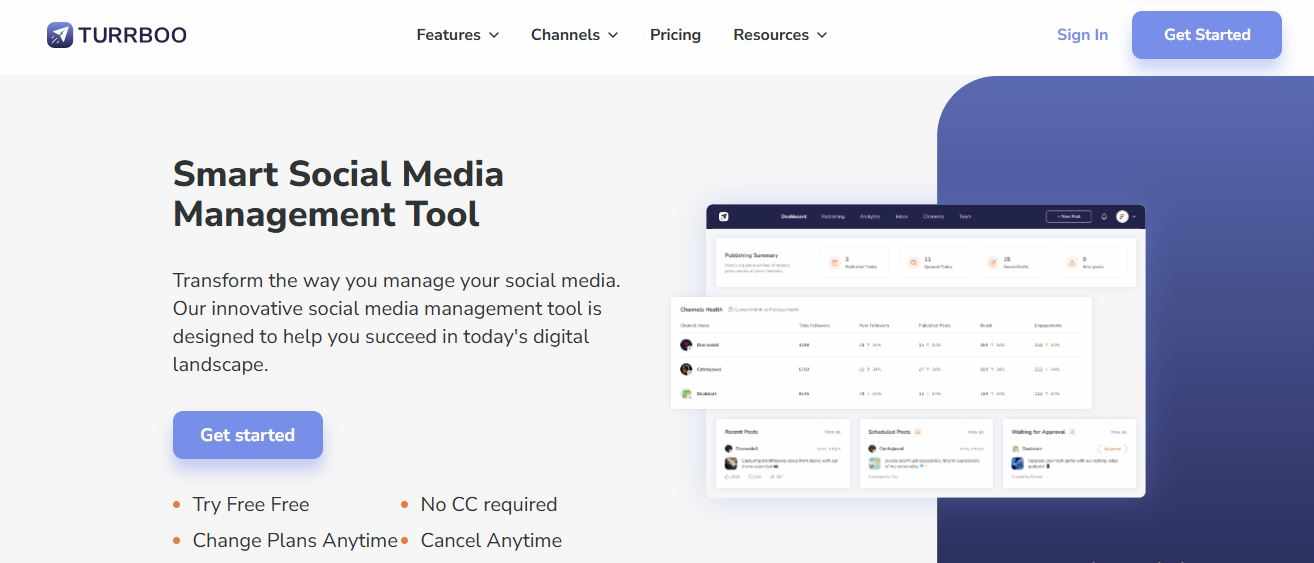
A reliable social media management tool simplifies this analysis by aggregating performance insights and highlighting optimal posting windows without manual effort.
Testing and Refining Posting Schedules
Optimal timing is not static. Audience habits change due to seasons, trends, and lifestyle shifts. Continuous testing keeps strategies aligned with reality.
A structured testing approach includes:
Posting similar content at different times
Measuring engagement differences
Adjusting schedules based on results
Repeating tests quarterly or monthly
This iterative process ensures posting schedules remain effective over time.
Consistency Matters as Much as Timing
Even the best timing loses impact without consistency. Algorithms favor accounts that post regularly and predictably.
Consistency supports:
Stronger audience expectations
Improved algorithm trust
Stable engagement patterns
Easier performance analysis
A clear posting rhythm helps content perform better regardless of minor timing variations.
Avoiding Common Timing Mistakes
Many brands undermine reach by repeating avoidable errors.
Common mistakes include:
Posting only when convenient
Relying solely on generic best-time studies
Ignoring audience analytics
Posting too frequently during low-activity hours
Failing to adapt to performance changes
Avoiding these pitfalls strengthens long-term engagement.
How Scheduling Tools Support Better Timing Decisions
Manual posting often leads to inconsistent timing and missed opportunities. Scheduling tools bring structure and reliability.
Benefits include:
Publishing at optimal times automatically
Managing multiple platforms efficiently
Maintaining consistency without daily effort
Tracking performance by time slot
Using a platform like Turrboo allows teams to align timing strategies with data-driven insights while maintaining flexibility.
Aligning Timing with Overall Content Strategy
Timing should never exist in isolation. It works best when aligned with broader content goals such as brand awareness, lead generation, or community building.
Strong alignment ensures:
Posting supports campaign objectives
Content reaches the right audience mindset
Engagement contributes to measurable outcomes
Timing becomes a strategic lever rather than a tactical afterthought.
Measuring Success Beyond Immediate Engagement
Reach and engagement are important, but long-term indicators provide deeper insight.
Consider tracking:
Follower growth trends
Click-through rates
Conversion activity
Audience retention
These metrics confirm whether timing decisions support broader business goals.
Frequently Asked Questions
Are there universal best times to post on social media?
No, general patterns exist, but optimal timing depends on audience behavior and platform.
How often should posting times be reviewed?
Review performance at least quarterly to account for changing habits.
Does posting frequency affect engagement more than timing?
Both matter, but poor timing can limit the impact of frequent posting.
Can small brands benefit from timing optimization?
Yes, precise timing often gives smaller brands a competitive advantage.
Is automation better than manual posting?
Automation improves consistency and ensures posts go live at optimal times.














Write a comment ...